
Cremation isn’t one-size-fits-all. This guide breaks down the different types of cremation—on-site, off-site, witness cremation, and water cremation—so families understand what their options really mean for cost, timing, and transparency.
What is Cremation?
Cremation is the process of reducing the human body to bone fragments using intense heat or other methods. Those fragments are then processed into the fine “ashes” families typically receive.
Cremation has quietly become the new norm in America. About 60% of deaths in the U.S. now result in cremation, a number projected to reach nearly 80% by 2040 (Cremation Association of North America). Rising costs of burial, limited cemetery space, and changing cultural and religious attitudes have all fueled this shift.
Where Cremation Actually Happens
When someone dies, the funeral home you contact doesn’t always perform the cremation itself. There are two main setups:
- On-site cremation: The funeral home owns and operates its own crematory equipment, meaning everything from preparation to the actual cremation happens in one location.
- Off-site (outsourced) cremation: The funeral home coordinates services, paperwork, and transport, but sends the body to a licensed crematory facility elsewhere for the actual process.
Most families never see that distinction, but it affects cost, timing, and transparency, so we thought we should mention it.
In the U.S., roughly 60–70% of cremations are outsourced, meaning the funeral home doesn’t own its own crematory and instead contracts the actual process out to a third-party facility.
Why So Many Cremations Are Outsourced
Owning a crematory is expensive, tightly regulated, and not always allowed.
- Cost: A single cremation chamber can run $100,000 or more.
- Regulations: Zoning laws often prohibit crematories in residential or mixed-use areas because of emissions and perception.
- Volume: Many funeral homes simply don’t handle enough cremations to justify the investment.
By outsourcing, they avoid permits, staffing, maintenance, and liability. Regional cremation centers often serve multiple funeral homes, functioning like specialized labs that handle only that part of the process.
For families, on-site means speed and control; off-site means lower overhead and broader availability. Both are legal and professional, just structured differently.
Why the Difference Between on-site vs off-site Cremation Matters
-
Transparency: With an on-site crematory, families can see the space or witness the start of the process if desired.
-
Chain of Custody: The body stays with one provider instead of being transported elsewhere, minimizing handling.
-
Timing: On-site cremations can often be scheduled more quickly.
-
Cost: Outsourced cremation can sometimes reduce total expenses.
Knowing where and how the cremation takes place gives families more information around cost and logistics, and provides better confidence when choosing a funeral provider.
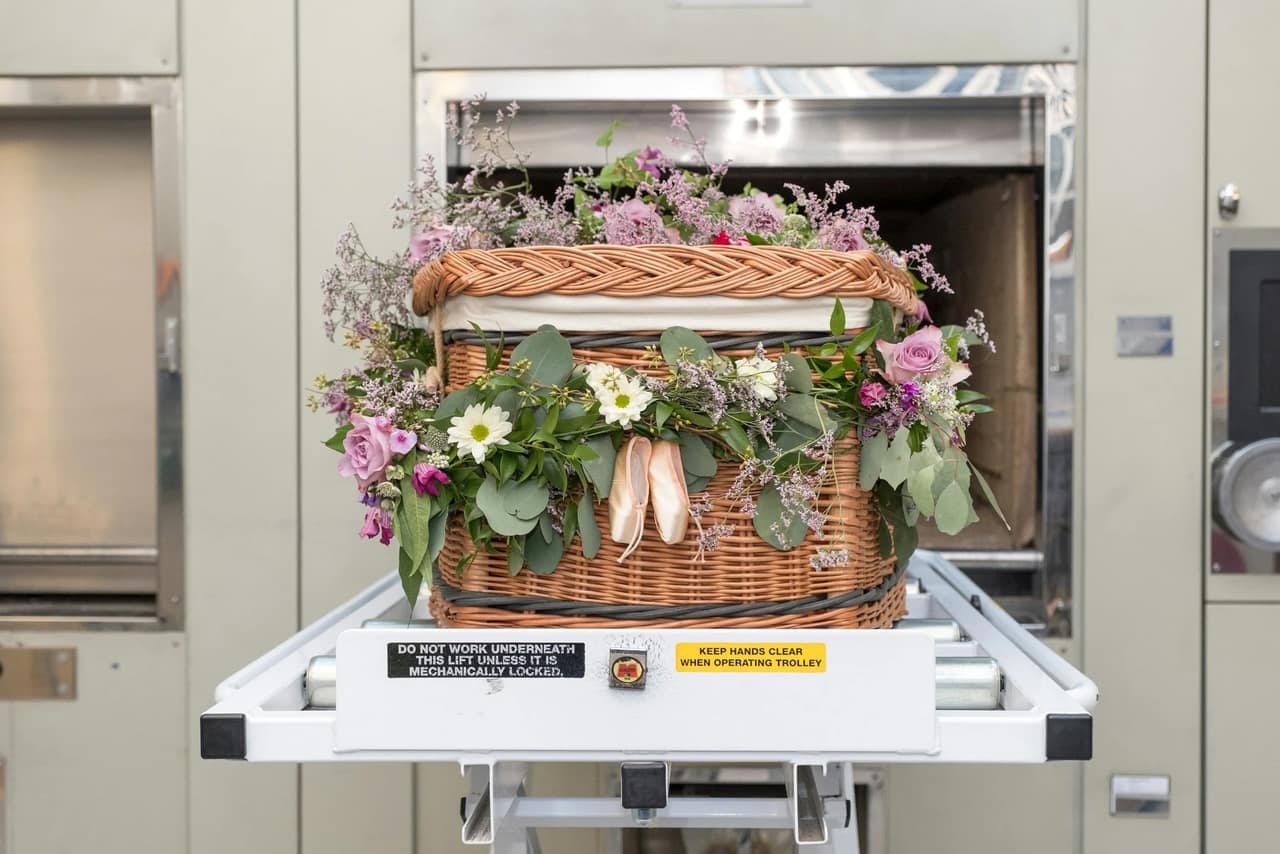
What is Witness Cremation?
A witness cremation allows close family or friends to be present at the start of the cremation—sometimes behind glass, sometimes in the same room. For many, it’s a chance for closure or participation in a final rite, much like being present at a graveside burial.
This option is available mostly at facilities with on-site crematories and is common in Hindu and Sikh traditions, but increasingly chosen by all faiths as a moment of transparency and connection.
What is Water Cremation?
Water cremation, also called aquamation or alkaline hydrolysis, uses a pressurized mix of water, heat, and alkaline solution to dissolve soft tissue, leaving behind clean bone fragments. Those fragments are then processed into ashes, just as in flame cremation, but the process is gentler on the planet.
It uses about one-tenth the carbon footprint (that’s roughly the difference between taking a quick shower and burning a tank of gas) of traditional cremation, no open flame, and less energy. Legal in roughly 30 U.S. states, it’s often chosen by families seeking an environmentally friendly farewell.
Where Does Human Composting Often Get Categorized as Cremation?
Not exactly cremation, at least not by definition. “Cremation” means burning, while human composting (Also known as: recomposition, soil transformation, terramation, or Natural Organic Reduction) uses microbes, oxygen, and organic materials like wood chips and straw to naturally transform the body into soil over several weeks.
It’s grouped with cremation methods because it serves the same purpose: reducing the body to a transportable, elemental form without burial. Many states even regulate it under the same laws as cremation and alkaline hydrolysis. Think of it as a new branch on the same tree: fire, water, and biology are all different paths, same return to the earth.