Traveling with cremated remains can feel overwhelming, especially at the airport. This guide explains TSA rules, approved containers, carry-on tips, and what to expect—so you can focus on honoring your loved one, not navigating confusion.
This month, my family is doing something we’ve talked about for years. We’re finally spreading my dad’s ashes, which I hope will feel cathartic, but it’s also been unexpectedly stressful.
Traveling with cremated remains is one of those things no one teaches you how to do, and my mom has reasonable anxiety about what might happen at the airport. Will TSA open the urn? Can she carry it on the plane? What kind of container is allowed? What if the package leaks?! The last thing anyone wants is to be dealing with confusion, delays, or insensitive treatment while carrying something so personal and sacred.
So we did the research. Here’s everything we learned, in case you’re ever in this position too.
You Can Fly with Ashes—But It’s Not as Simple as Packing a Bag
The TSA does allow cremated remains on domestic flights, but there are rules, some of which aren’t clearly communicated until you’re at the airport.
The most important one: the urn or container must be scannable via X-ray. That means no metal, ceramic, stone, or any material that blocks the view. If TSA can’t see what’s inside clearly, they won’t allow it through security. They are not permitted to open the container, even if you give them permission. If it doesn’t scan, it doesn’t fly.
Your best bet is a lightweight container made of plastic, wood, cardboard, or a TSA-approved travel urn. Some people use a temporary container for the flight and then transfer the ashes into a more permanent urn later.
Always Use a Carry-On Bag
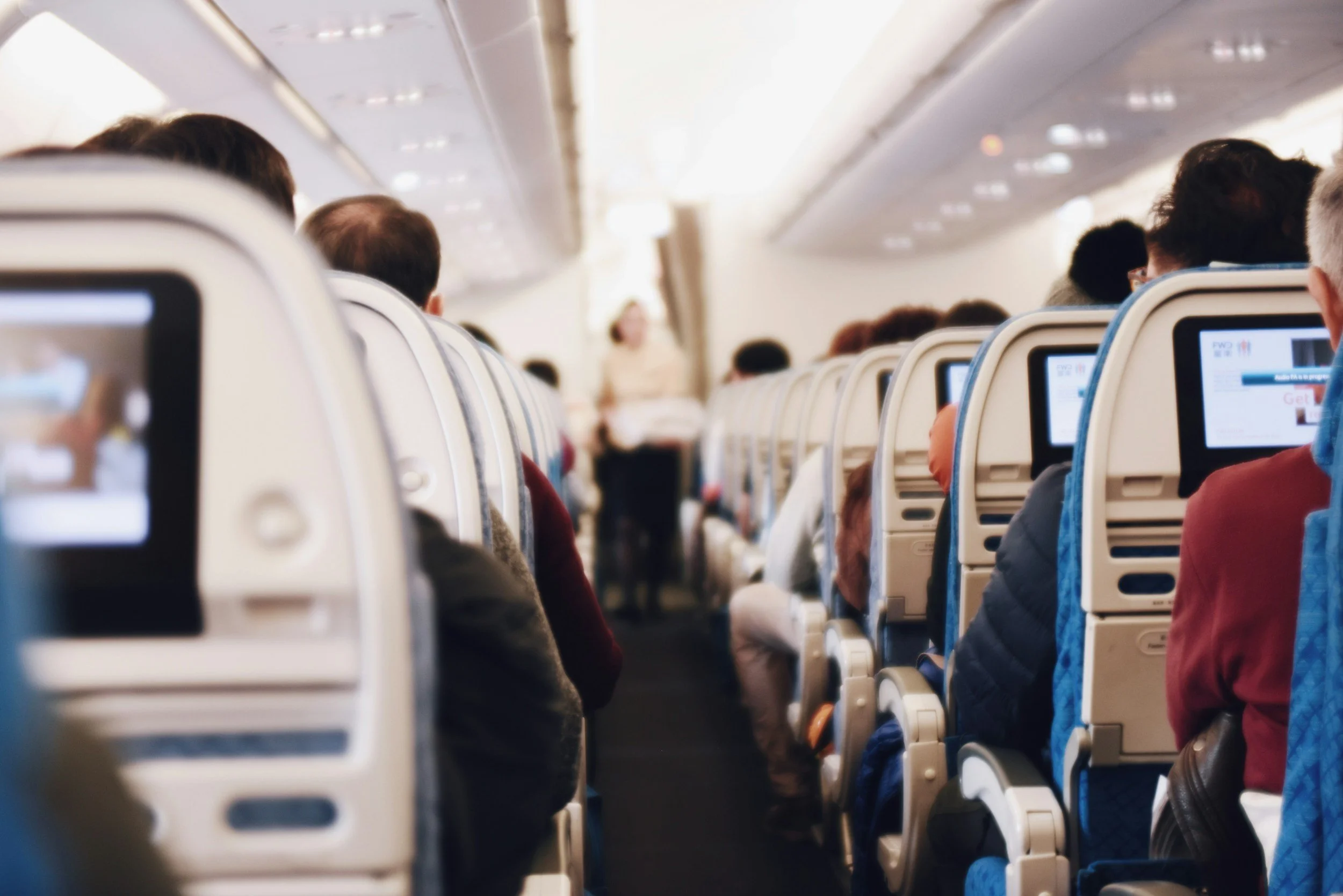
Cremated remains should never be placed in checked luggage. Luggage can get lost, mishandled, or damaged and the risk of the urn being opened, spilled, or broken is just too high. Keep the urn in your carry-on bag and let TSA officers know ahead of time what you’re carrying.
If you’re worried about being emotional or needing privacy, you can request a private screening. You’re allowed to advocate for yourself in these moments.
Bring Documentation, Even If It’s Not Required
While TSA doesn’t require paperwork to screen ashes, bringing a copy of the death certificate, Certificate of Cremation, and a brief letter from the funeral home can help smooth the process. It provides clarity and confirms the contents for airline staff and screeners.
Having printed documents on hand can provide some peace of mind in this extraordinary scenario.
Expect It to Be Emotional, And Give Yourself Grace
Even if everything goes smoothly logistically, this literal journey is the start of a larger metaphorical one. It’s a ritual. And for my mom, it is precious space in her carry-on for someone who proudly never checks. I’m kidding, she feels entrusted with a huge responsibility so we’ve prepared as much as we can. We have chosen a TSA-compliant plastic container, gathered documentation, and made sure she knows she can ask for help if needed. We’ve also had to acknowledge the emotional weight of it. It’s okay to be overwhelmed. This isn’t easy, and it’s not supposed to be.
Final Tips for Flying with Cremated Remains
-
Use a non-metallic, TSA-friendly urn or temporary container
-
Keep remains in your carry-on bag, not checked luggage
-
Arrive early and let TSA agents know you’re carrying cremated remains
-
Bring a copy of the death certificate and cremation paperwork
-
Request a private screening if needed, especially if you’re feeling vulnerable
-
Give yourself time and space for the emotional side of this process
This isn’t the kind of journey anyone hopes to take, but for us, it’s part of honoring someone we love. It’s the final leg of a long goodbye. And if you’re walking this path too, I hope this helps you feel a little more prepared, and a little less alone.