End Well Conference 2025 wasn’t just a gathering—it was a signal. From medical aid in dying to probate reform, policy is emerging as the next major force reshaping death care, grief support, and end-of-life access.
End Well 2025 isn’t just a conference, it’s a powerful movement reaching critical mass. Walking into the packed venue (standing room only, for a death care event), the energy was undeniable: something fundamental is shifting in how we talk about, prepare for, and honor the end of life.
When My Mom Asked the Hardest Question in the Room
The best part of the day were the breakout deep dives on specific topics of your choosing. While I dove into legal reform, my mom (yes I brought my mom) chose the breakout session on medical aid in dying (MAID). She’d written down a question beforehand: When will they broaden the eligibility terms so more people can access this service?
It’s the kind of question that cuts through theory straight to lived experience. And asking it so boldly connected her with someone doing the actual work—a representative from A Better Exit, an organization actively fighting to expand MAID eligibility in California. They’re pushing legislation to remove arbitrary restrictions that keep terminally ill patients from accessing compassionate options at the end of life.
That moment—my mom, pen in hand, asking a clarifying question and finding an advocate working to change the law—captured exactly why End Well matters. It’s not an echo chamber. It’s a catalyst for real-world action.
[caption id=“” align=“alignnone” width=“2048”]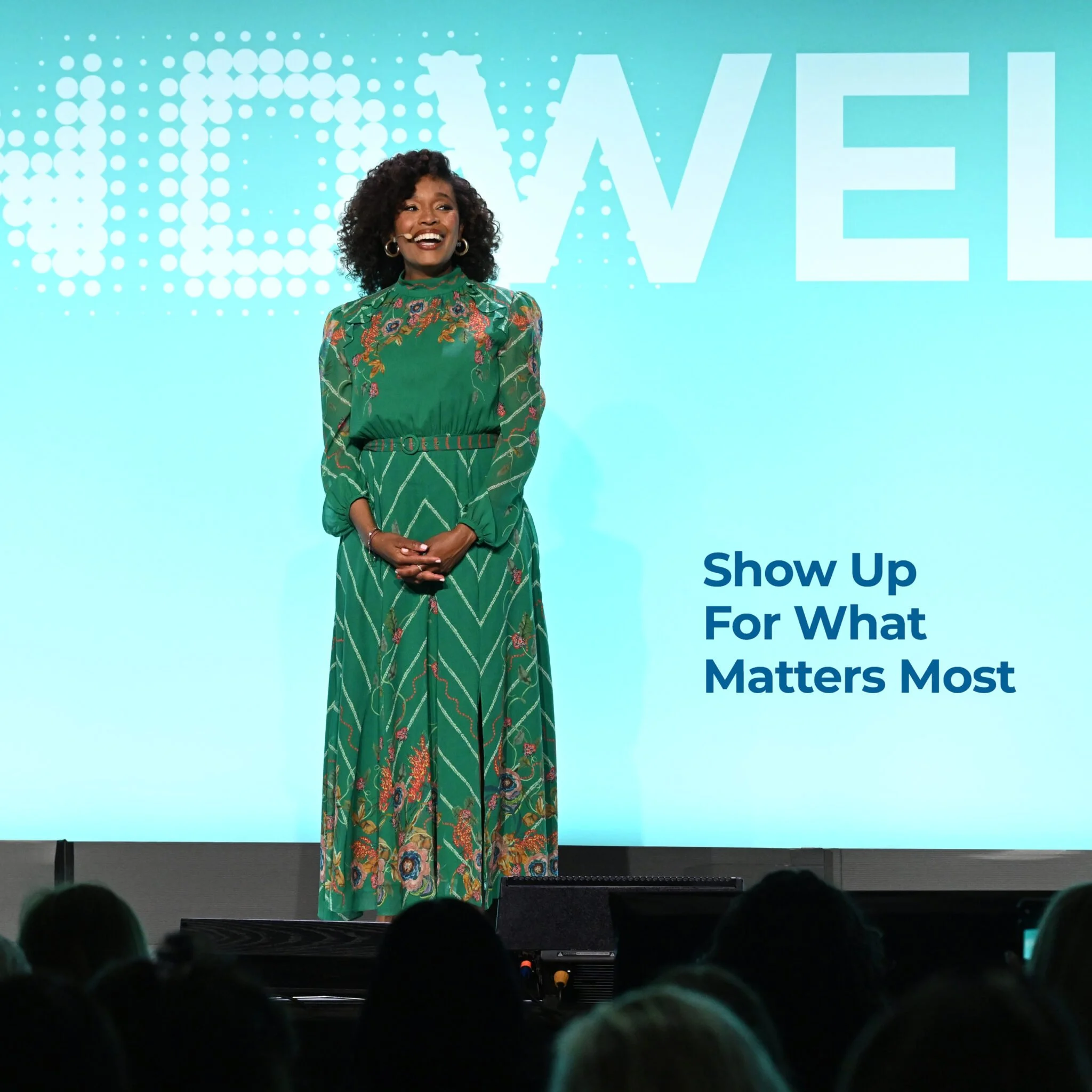 End Well Conference 2025 . This year’s theme: Radical Bravery. Photo by End Well Project . [/caption]
Policy Is the New Frontier
While mainstage programming delivered sharp insights and unflinching honesty, the deep-dive workshops revealed where the tectonic plates are actually moving. I joined the session on legal reform in death care, and it crystallized what I’ve been tracking for my 2026 industry predictions: the next frontier isn’t just technology or services—it’s policy.
Modernizing outdated probate laws. Simplifying death certificate processes. Dismantling the administrative nightmares that families face when they’re least equipped to handle them. There’s real legislative momentum building, and it’s accelerating faster than most people realize.
This isn’t abstract reform. It is about reducing the bureaucratic nonsense inflicted on people in grief. After a workshop discussion led by Rebecca Feinglos and her team, one thing became clear: the policy wins of the next few years will reshape death care more than the last decade of innovation combined. If there was one upside to Covid it brought death conversations to the forefront of society and forced us to face some hard truths. The result of many of these confrontations was action in the form of policy, like getting pub sec workers in NC bereavement leave after they found out the hard way they had none when covid hit.
Where Changemakers Connect
Running into Andee from Kicking the Bucket was one of those delightful conference moments. We’d connected earlier this year when I was on her podcast, and we both live in Austin, but it took traveling to LA to actually meet face-to-face. That’s the magic of End Well: it’s where the changemakers gather.
The tissues handed out with our conference badges? Fully necessary. End Well doesn’t traffic in platitudes or sanitized “celebration of life” rhetoric. It embraces the messy, raw, beautiful truth of what it means to care for dying people and the families left behind.
The authenticity of the event was also rooted in empathy, humor, and unflinching realism. This rare and nuanced tone is why this conference matters. It’s not a death industry gathering. It’s a movement of people trying to break down silos and stigma for the betterment of society.
Breaking Down the Silos—And Taking It Home
Speakers unpacked the realities of end-of-life care—the medical, legal, and emotional terrain families navigate in crisis. These aren’t conversations we’re taught to have. End Well creates the rare space where they become possible, and takes it a step further to even feel urgent and necessary.
The room itself told the story: clinicians next to funeral directors next to policy advocates next to grieving families. The silos are breaking down in the industry. The next frontier is in our communities and homes. I hope everyone else left with their heart and mind swelled with inspiration and ideas, but more importantly that they are ready to proliferate the message. Everyone in the audience is bought into the necessity of these conversations and it is now our job to carry these ideas and spread the message beyond these walls.
The Work Ahead: Access and Inclusion
My one hope for End Well’s future: keep expanding access. Lower ticket prices. Offer more scholarships. Bring in more voices, especially those laboring in this industry for low pay and little recognition. Go beyond the most visible voices and elevate the boots-on-the-ground people building this movement from both the bottom up and the top down.
Because the movement is here. The conversation is gaining momentum. And what happens next depends on who gets a seat at the table.
If you work in death care, adjacent fields, or simply believe these conversations matter — End Well 2026 needs to be on your calendar. This is where the future is being written.
Related reading: Want more on where deathcare is heading? See our key takeaways from the Future of DeathCare Summit in Chicago and our predictions on the 6 deathcare trends that will define 2026.